Physical Benefits: Strength, Balance, and Endurance
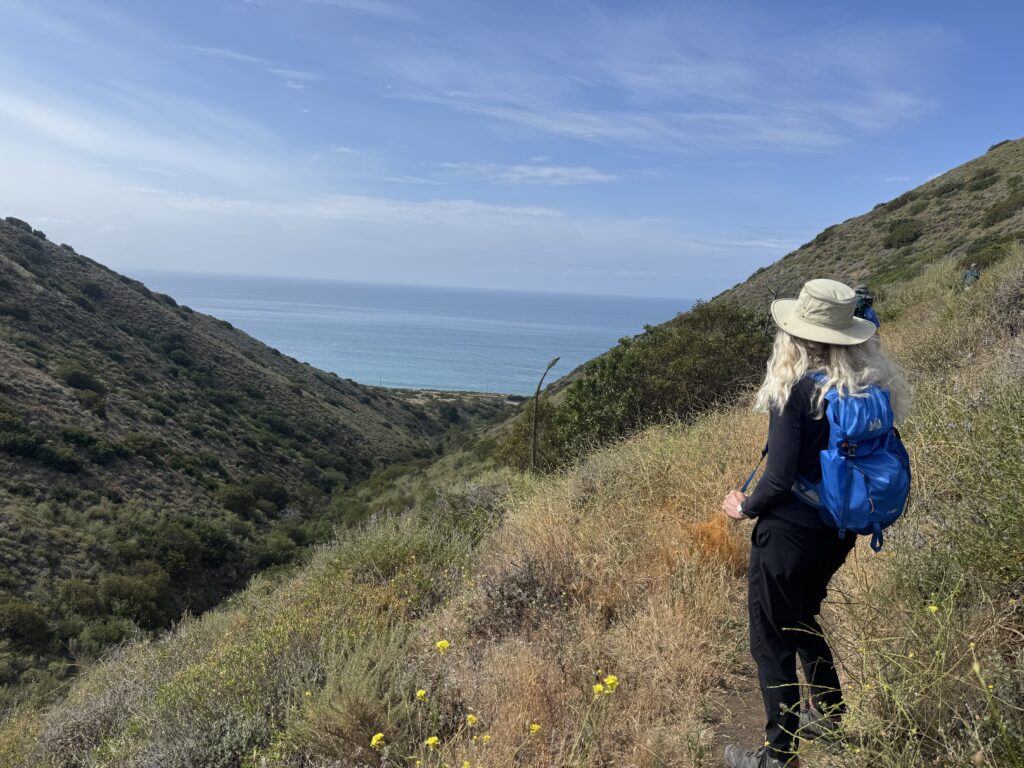
Hiking is one of the most complete forms of natural movement.
Unlike repetitive exercise, it constantly challenges your body in different ways strengthen smaller muscle groups that support balance and long term mobility.
You’ll develop:
Strength
Your legs and core do most of the work, but when you add poles or varied terrain, your upper body becomes part of the movement as well. Hiking improves both strength and endurance in important muscle groups that are often underutilized in our daily lives. Over time these muscle groups help to maintain our stride length, pace and balance as we age.
Balance and Stability
Uneven terrain, rocks, and elevation changes improve coordination and proprioception—your body awareness in space. Most think of the ankles and feet when it comes to balance but equally important is controlling momentum when you are taking big vertical steps (up or down), this is controlled by the core muscles in coordination with all the leg muscles, not just the ankles. This kind of strength building is difficult to build outside of nature.
Cardiovascular Health
Regular hiking has been shown to:
- Lower blood pressure
- Improve circulation
- Increase lung capacity
- Support blood sugar regulation
The key difference from other exercise is variability—your body is constantly adjusting, not repeating.