Hiking Gear Guide: What to Bring for a Better, Safer Day on the Trail

The gear that actually mattersโ€”based on real time on the trail, not just theory.
10-12 minutes

Thereโ€™s a difference between going for a walk in the neighborhood and heading out onto a trail.

Out there, small things matter.
A little more water. A better layer. A headlamp you didnโ€™t think youโ€™d need.

Most hikes go exactly as planned. Some donโ€™t.
And when they donโ€™t, itโ€™s rarely because of fitness, itโ€™s usually because of preparation.

This guide isnโ€™t about carrying everything.
Itโ€™s about carrying theย right things, so you can move confidently, stay safe, and actually enjoy your time in nature, knowing that you are prepared for the most common โ€˜what ifโ€™sโ€™.

WHAT ACTUALLY MATTERS ON THE TRAIL

Most people overthink hiking gear.

They focus on brands, gadgets, and having everything dialed in before they ever get out there.

But experienced hikers think in simpler terms. Every good day on the trail comes down to a few things working well:

  • Your feet (movement)
  • Your pack (how you carry everything)
  • Your fuel (water + food)
  • Your protection (sun + layers)
  • Your safety margin (what happens if things change)

Get those right, and everything else becomes secondary.

Hiking Gear Guide main image

FOOTWEAR: WHERE EVERYTHING STARTS

If your feet arenโ€™t right, nothing else matters.

Weโ€™ve seen hikes cut short by:

  • Blisters from brand-new boots
  • Slipping on loose terrain
  • Fatigue from poor support on long descents

A good hiking shoe or boot should:

  • Grip well on dirt and rock
  • Support your feet and ankles on uneven terrain
  • Match specific needs like general summer hiking, winter snow conditions, or water hiking.

For most hikers, aย lightweight hiking boot with a solid sole and ankle supportย is the most reliable choice for most general-purpose day hikes.

๐Ÿ‘‰ Trail reality:
The uphill feels like effort. The downhill is where bad footwear shows up.

Pro Tip

-Different brands have different overall shapes and fit so find one that serves you.

-Always try on new boots at the end of the day when your feet are swollen.

-Never break in gear on the trail.

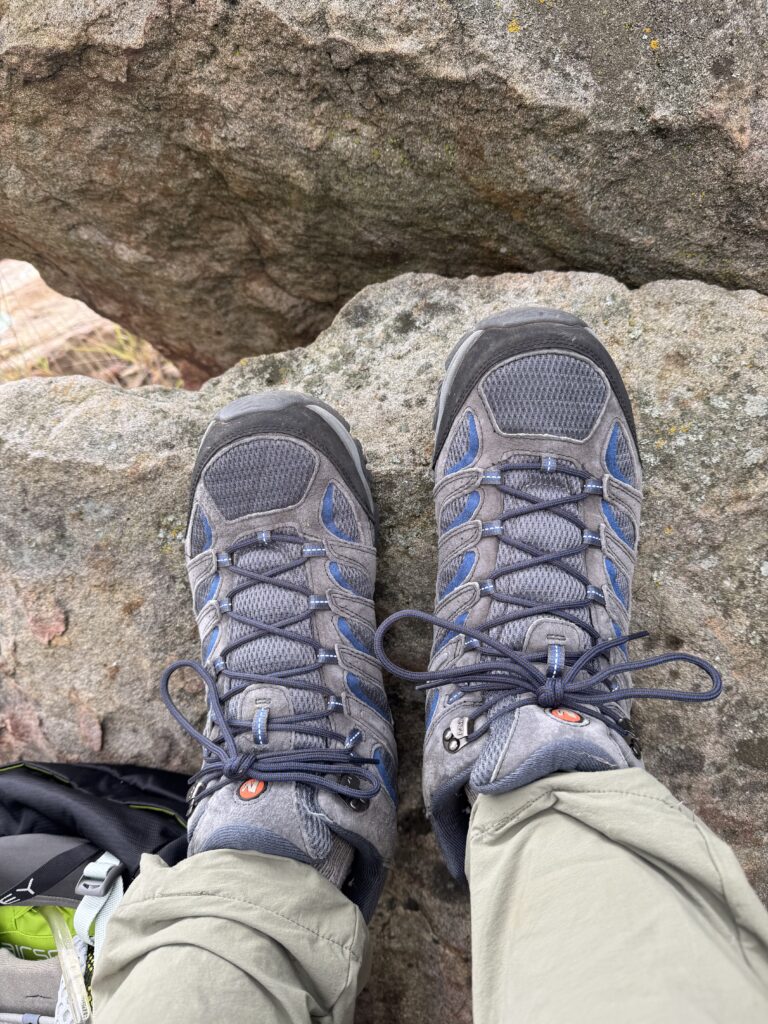
Hiking gear guide Boot Image

Start with your feet

The uphill tests your fitness, but the downhill tests your footwear. Break in your shoes before the trail and prioritize fit, traction, and ankle support over brand hype.

BACKPACKS: HOW YOU CARRY YOUR DAY

Your pack is more than storage, itโ€™s how you carry your entire experience.

For most hikes, we recommend aย hydration pack with a 3-liter reservoir, a 25-30L overall capacity, and a quality hip belt.

That setup gives you:

  • Enough water for most conditions
  • Room for layers, food, and essentials
  • A more balanced and comfortable feel

What matters most:

  • Proper torso fit is key.ย  Gender designed packs have more specific options and many have adjustable shoulder strap attach heights
  • A functional waist strap with width or padding around the sides where the weight sits
  • Sternum strap and hiking pole loops

๐Ÿ‘‰ Real-world insight:
Most discomfort on the trail doesnโ€™t come from the terrain, it comes from a poorly adjusted pack.

Take a few minutes before you start to dial it in. It makes a bigger difference than most people expect.ย  Ensure that your hip belt is adjusted to the top of your hip bones and transferring approximately 80% of the pack weight to your hips.ย  Ensure that the shoulder straps are adjusted properly so that the pack is not too far away from your shoulders and putting too much weight on the front of your shoulder heads.

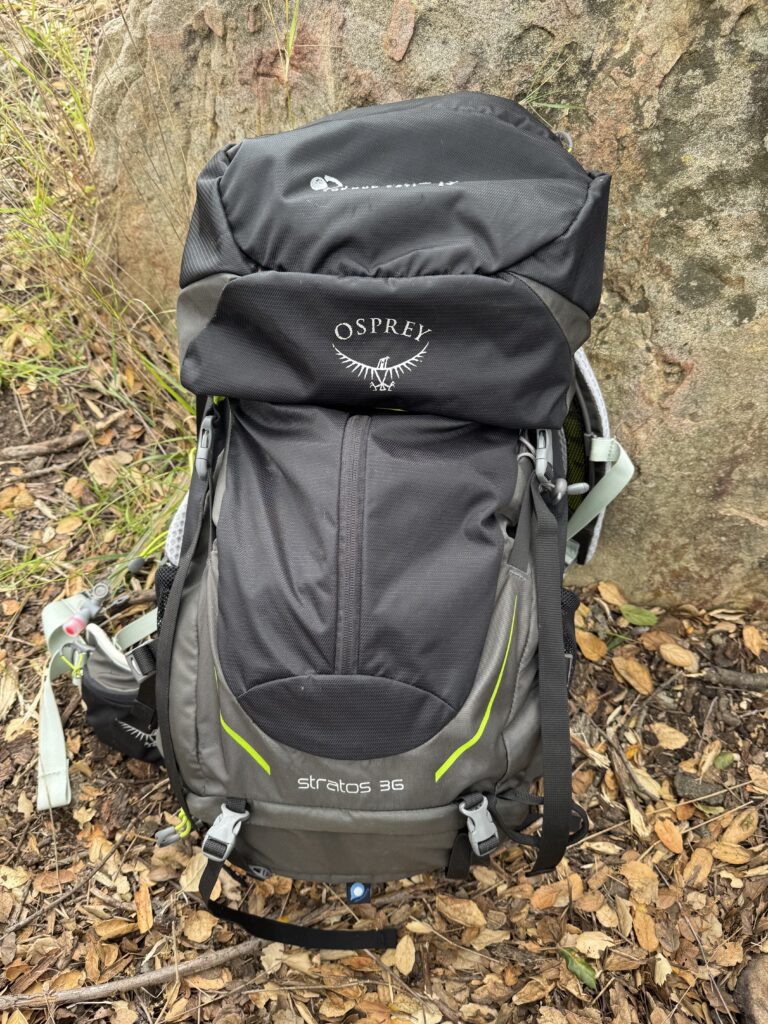
Hiking Gear Backpack with hydration bladder

Your pack carries the day

A 20โ€“30L pack with a 3-liter reservoir gives you room for water, food, layers, and safety essentials without overpacking. Fit and weight distribution matter more than brand.

FUEL & HYDRATION: WHERE MOST PEOPLE GET IT WRONG

Water and food are where good days turn badโ€”or stay good.

Most people bring just enough.
Experienced hikers bring extra.

For hydration:

  • A 3-liter system covers most hikes
  • Itโ€™s helpful to carry a liter of electrolytes but do not mix into your clean reservoir water
  • Drinking consistently matters more than waiting until youโ€™re thirsty
  • If there is reliable water on your route bring a water filter to refill as needed

For food:

  • Energy bars, trail mix, nuts, dried fruit
  • Simple, calorie-dense, easy to eat lunch
  • Electrolyte/Energy gels or gummies with caffeine and simple sugar can be very helpful
  • Bring enough extra so that you donโ€™t run out of calories if you have to spend the night.

๐Ÿ‘‰ Pro Tip:
You donโ€™t pack for the planโ€”you pack for when the plan changes.

If a hike runs long, someone slows down, or conditions shift, having more than you think you need becomes critical.ย  Depending on the length and difficulty level of the hike you will burn far more calories than you realize.ย  And keep in mind that clean water in your reservoir is also useful for wound irrigation or to share with others who may run out.

LAYERS & SUN: THE SLOW VARIABLES

The trail temperature rarely matches the parking lot.

Temperature shifts as elevation rises. Wind picks up. Shade disappears.

Instead of thinking in outfits, think in layers:

  • A moisture-wicking base
  • A warm layer (even if you think you wonโ€™t need it)
  • A light outer layer especially important for exposed summits
  • Brightly colored clothing will help you stand out compared to your surroundings should you need help

Sun protection is just as important:

  • Wide brim hat
  • Sunglasses with UV protection
  • Sunscreen
  • Lightweight sun shirt or hoodie with 50SPF protection

๐Ÿ‘‰ Trail insight:
Sun exposure and temperature donโ€™t hit all at once, they build slowly, and by the time you feel it, youโ€™re already behind.ย Depending on the relative humidity, the temperature drops from 3-5 degrees per 1k feet of elevation gain. ย So plan your layers for all segments of the hike.ย  If you are delayed, temperatures can drop quickly when the sun goes down, especially in a low humidity environment so plan to keep your core warm in case you need to go with โ€˜plan bโ€™.

STABILITY & MOVEMENT: USING YOUR WHOLE BODY

Hiking poles are one of the most underrated pieces of gear.

They:

  • Reduce strain on your knees by up to 25% (especially downhill)
  • Improve balance on uneven terrain, loose descents and stream crossings
  • Help you move more efficiently over distance especially with a heavy load

๐Ÿ‘‰ Where they matter most:

  • Long or steep descents
  • Loose or rocky terrain
  • Stream crossings

Theyโ€™re not required, but once you use them consistently, they become part of how you move.ย On longer hikes poles help you move more efficiently by helping to set your rhythm and getting your whole body involved in the movement not just your legs.

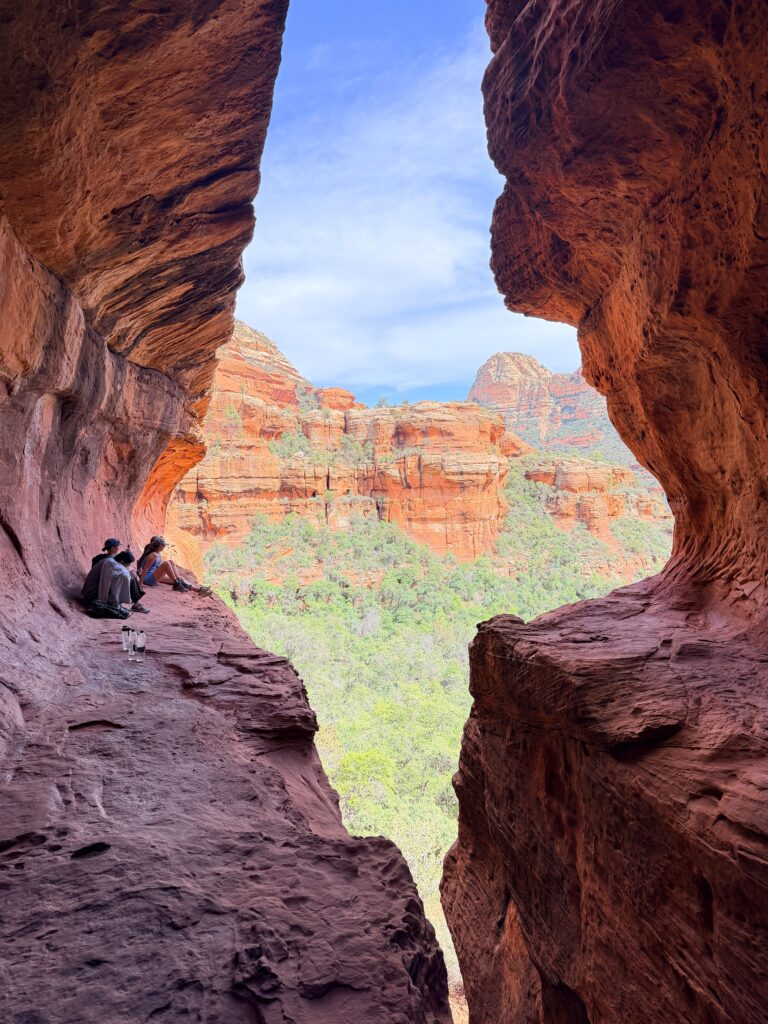
Trail Reality

You donโ€™t pack for the plan, you pack for when the plan changes. Extra food, water, layers and light turn delays into non-issues.

SAFETY MARGIN: WHEN THINGS DONโ€™T GO AS PLANNED

Being prepared is the difference between an inconvenience and a real problem.

Even on short hikes, carry a small set of essentials:

  • Headlamp/flashlight
  • Outdoor first aid kit with sports tape
  • Emergency blanket or bivy and rain poncho
  • Knife or multitool
  • Fire starter
  • Whistle or signaling device
  • For longer or more remote outings a simple repair kit with duct tape, safety pins, needle and thread, cord rope, a bit of sandpaper, and a cleaning/repair kit for stoves and filters are important.

Navigation matters too:

  • Download your route on your phone or satellite device
  • Carry backup power
  • Carry topo map of the area and compass as a backup!
  • Study where youโ€™re going before and important landmarks/junctions you start
  • Carry a satellite communication device with an emergency beacon

๐Ÿ‘‰ Reality on the trail:
Delays happen more often than emergencies.

A simple thing, like having a headlamp when the sun drops, can completely change the outcome of your day.ย Being prepared is the key to enjoying the changing conditions on the trail and to relax knowing you have what you need if you need it.

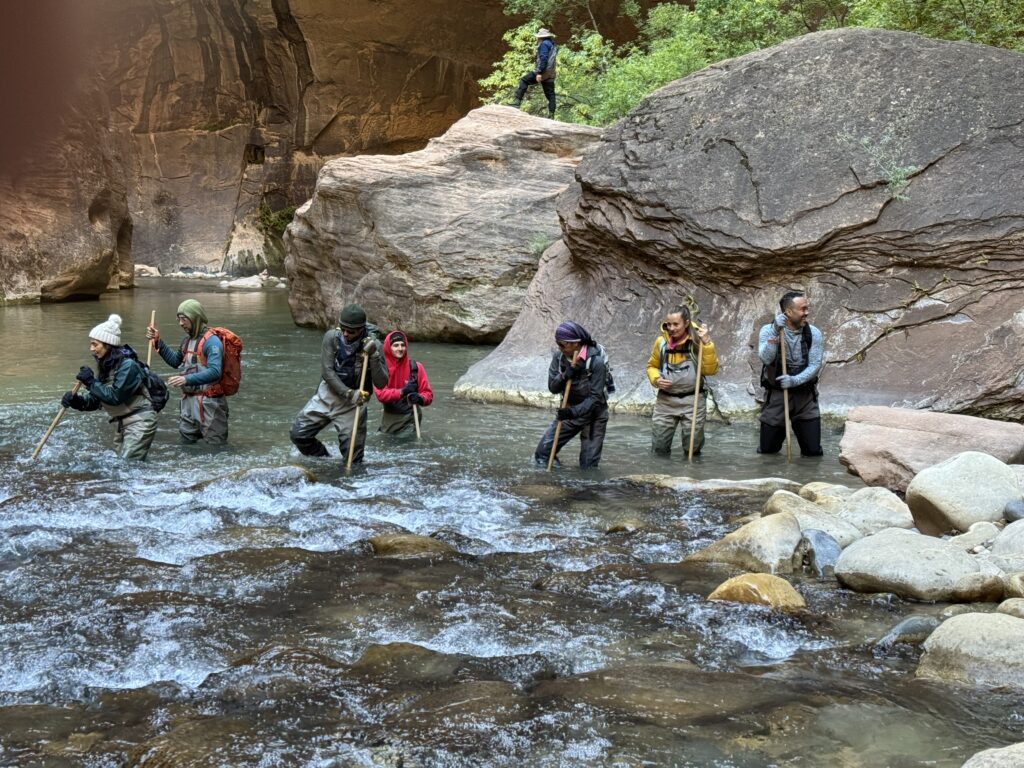
Hiking Gear for River Hiking

THE GOAL IS CONFIDENCE, NOT COMPLEXITY

The right gear doesnโ€™t make hiking complicated; it makes it smoother.

It gives you:

  • Margin when things donโ€™t go perfectly
  • Confidence to go a little further
  • The ability to relax and actually enjoy a day in nature

Because thatโ€™s the point.

Not just to finish the trail, but to experience the place.

Recommended Trails to Start With

These trails are a great place to apply what youโ€™ve learned and build confidence on the trail.

Ready to get out on the trail?

Get New Trail Guides + Local Hikes

Get curated trail guides, local hike announcements, and expert tips delivered to your inbox.

Scroll to Top