The Benefits of Hiking: Why Time on the Trail Changes More Than Your Fitness

From physical health to mental clarity and real-world connectionโ€”what actually happens when you spend time on the trail.
10 minutes

Thereโ€™s something you feel almost immediately when you step onto a trail.

The air is different. The pace slows. Your attention shifts without trying.

You donโ€™t need a study to tell you itโ€™s good for youโ€”but decades of research confirms what people have always known:

Time spent hiking and in nature has a measurable impact on your physical health, your mental clarity, and your overall sense of well-being.

And the best part isโ€”you donโ€™t need to go far or push your limits to experience it.

What Actually Changes When You Hike

Hiking isnโ€™t just exercise.

Itโ€™s a combination of movement, environment, and attention working together in a way thatโ€™s very different from a gym or a walk around the neighborhood.ย  Hiking builds confidence and mental resilience.

On the trail:

  • Your body adapts to uneven terrain
  • Your senses engage with the environment
  • Your mind shifts away from constant input begins to slow down

This combination is what makes hiking so effective.

Even moderate hikingโ€”on relatively flat terrainโ€”can deliver meaningful benefits across multiple systems in the body.

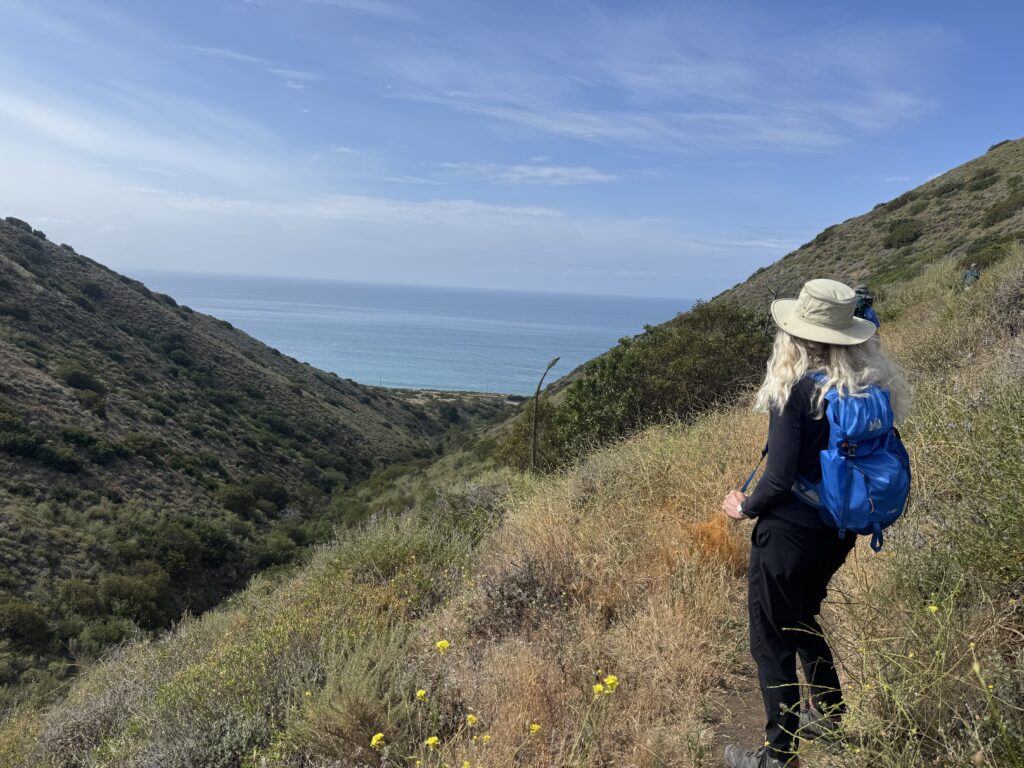
Benefits of Hiking, hiker on scenic trail

Physical Benefits: Strength, Balance, and Endurance

Hiking is one of the most complete forms of natural movement.

Unlike repetitive exercise, it constantly challenges your body in different ways strengthen smaller muscle groups that support balance and long term mobility.

Youโ€™ll develop:

Strength
Your legs and core do most of the work, but when you add poles or varied terrain, your upper body becomes part of the movement as well.ย  Hiking improves both strength and endurance in important muscle groups that are often underutilized in our daily lives. ย Over time these muscle groups help to maintain our stride length, pace and balance as we age.

Balance and Stability
Uneven terrain, rocks, and elevation changes improve coordination and proprioceptionโ€”your body awareness in space.ย Most think of the ankles and feet when it comes to balance but equally important is controlling momentum when you are taking big vertical steps (up or down), this is controlled by the core muscles in coordination with all the leg muscles, not just the ankles.ย  This kind of strength building is difficult to build outside of nature.

Cardiovascular Health
Regular hiking has been shown to:

  • Lower blood pressure
  • Improve circulation
  • Increase lung capacity
  • Support blood sugar regulation

The key difference from other exercise is variabilityโ€”your body is constantly adjusting, not repeating.

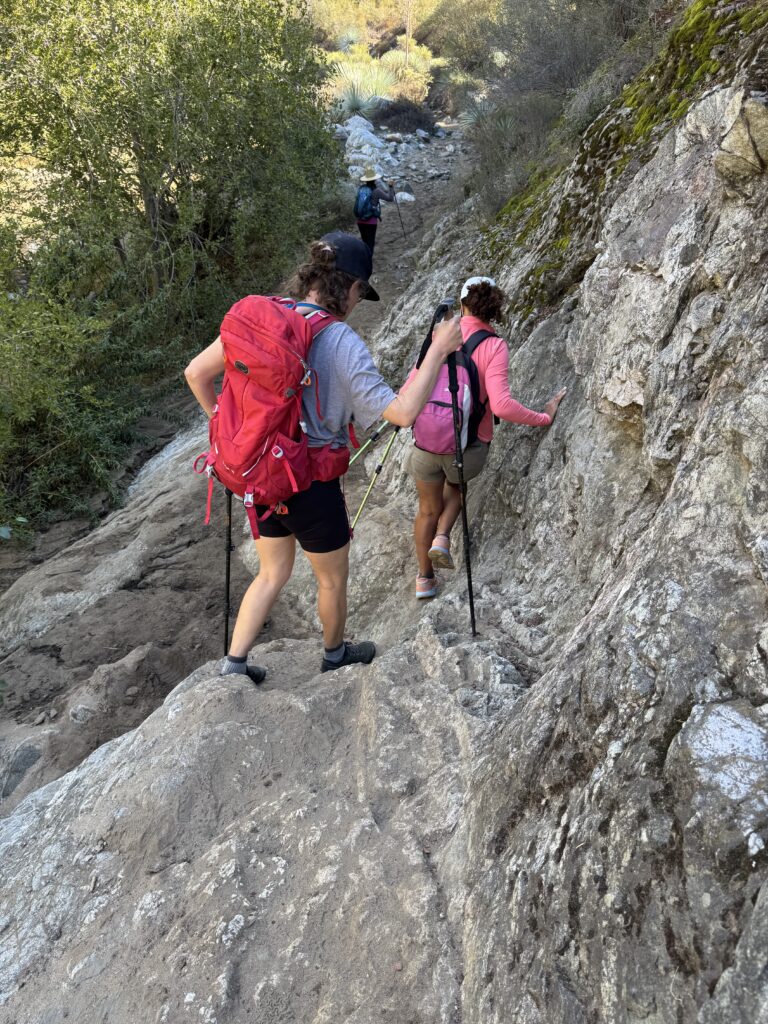
Benefits of Hiking on Uneven Terrain

Movement skills that translate into everyday life

Hiking builds strength, stamina, and improves balance in ways that carry over into everyday movement and mobilityโ€”walking, climbing stairs, stability, and injury prevention.

Mental Benefits: Stress, Clarity, and Reset

This is where hiking becomes something more than exercise.

Time in nature has been shown to:

Reduce stress and anxiety
Immersing in nature has been proven to lower cortisol levels and calm the nervous system.ย  The sounds, colors, and even the feeling of the wind and the sun work together to help down regulate your nervous system.

Improve focus and cognitive function
Studies show increased activity in areas of the brain related to problem solving and creativity.

Enhance mood and overall well-being
Regular time in nature helps reduce symptoms of depression and improve mental resilience and emotional stability.

But beyond the science, there are a few things you feel directly:

  • Youโ€™re not looking at screens
  • Youโ€™re not reacting to constant input
  • Youโ€™re present in a way thatโ€™s hard to replicate elsewhere
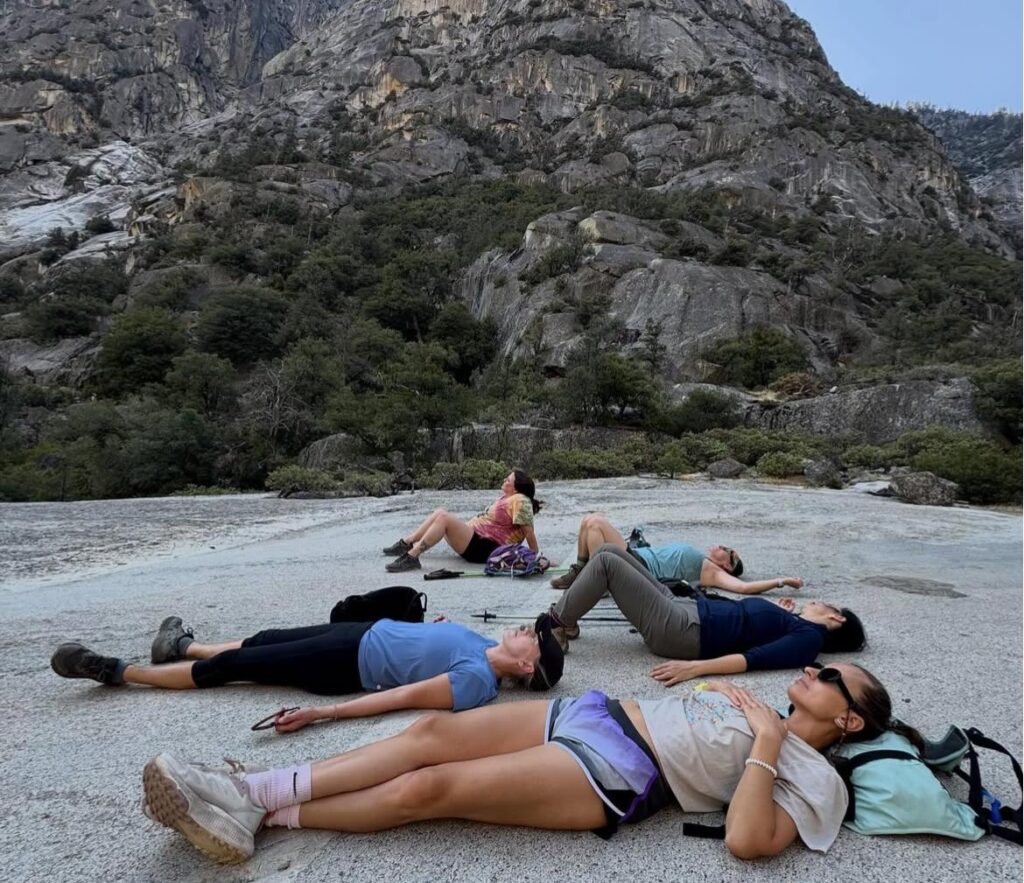
Benefits of Hiking include relaxing in nature

The reset most people are missing

Being off your phone for a few hours, moving through nature, feeling a sense of awe and focusing on simple things like the sound of the wind in the trees, birds and water can have a bigger mental impact than most people expect.

The Science of Nature: Why Being Outside Matters

Some of the benefits of hiking donโ€™t come from movement at all.

They come from the environment itself.

Research has shown that exposure to natural environments can:

  • Reduce inflammation and oxidative stress
  • Improve immune system response
  • Increase antioxidant activity

One of the most well-known examples comes from Japan, where the practice ofย Forest Bathingย (Shinrin-yoku) was developed.

Trees release compounds called phytoncidesโ€”natural oils that, when inhaled, can support immune function and reduce stress.

These effects can last for days, even weeks after exposure.

It doesnโ€™t take much

A major study found that just 120 minutes per week in nature can significantly improve your overall health and well-being.

Social Benefits: Reconnecting in a Real Way

Hiking is also one of the simplest ways to reconnect with people.

Modern life has shifted a lot of our interaction toward screens and away from shared experiences.

Time on the trail creates something different:

  • Conversations without distraction
  • Shared challenges and accomplishments
  • Space to actually relax and connect

Whether itโ€™s with friends, family, or a group, hiking creates the kind of interaction thatโ€™s increasingly rareโ€”and increasingly important.ย Conversations shift away from work and stress of life as perspectives change on the trail, and suddenly our daily worries donโ€™t seem so important.ย  We are sharing time in a space that is much larger than we are, a space where we feel an inherent sense of belonging.

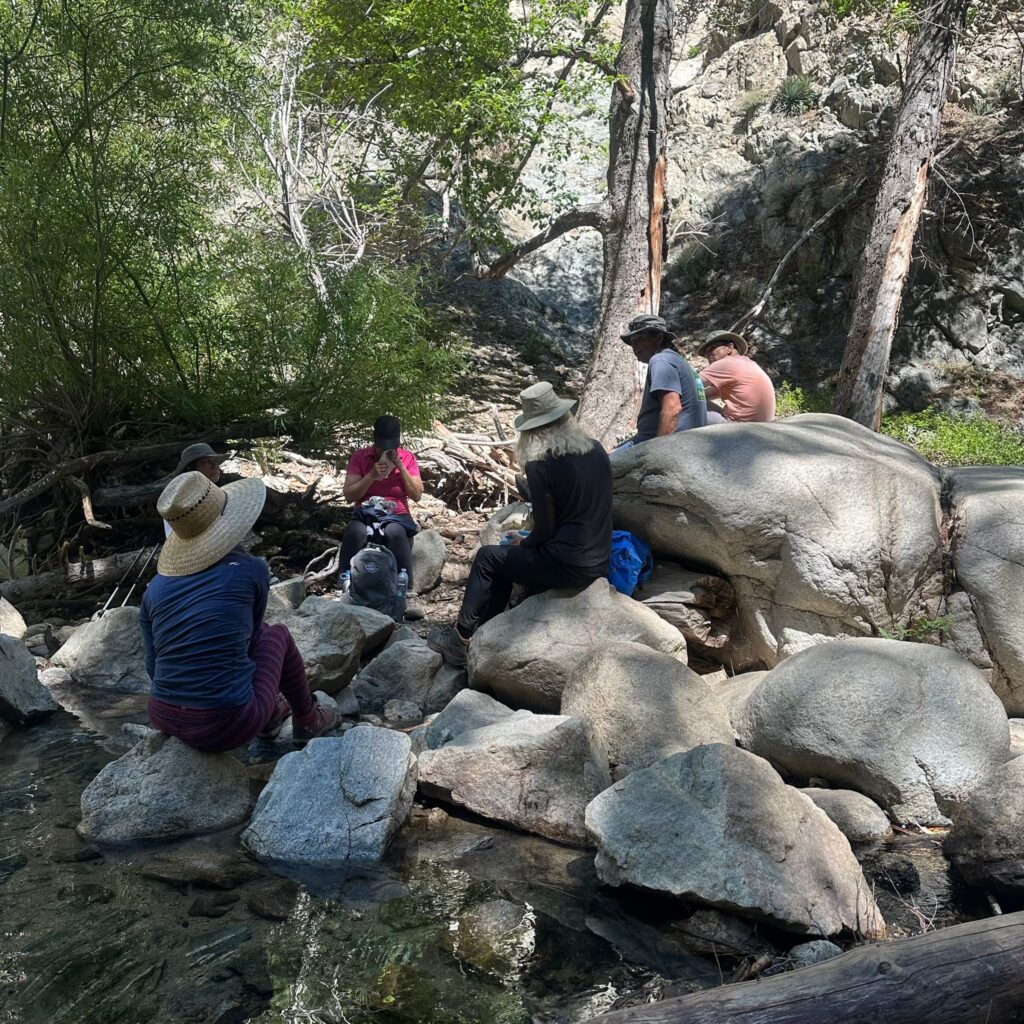
Benefits of Hiking, hiking group stopping for lunch and conversation

The Bigger Picture

Hiking isnโ€™t just about fitness.

Itโ€™s one of the simplest ways to:

  • Move your body
  • Reset your mind
  • Improve your health
  • Reconnect with people and nature

And you donโ€™t need to do anything extreme to experience it.ย  Just start out with trails that match your fitness level and skill set.

A few hours a week is enough to start seeing real change.

Recommended Trails to Start With

These trails are a great place to apply what youโ€™ve learned and build confidence on the trail.

Start with a trail that fits where you are

Explore beginner-friendly hikes or join a guided experience to start building the benefits into your routine.

Get New Trail Guides + Local Hikes

Get curated trail guides, local hike announcements, and expert tips delivered to your inbox.

Scroll to Top